
Herbalism
Pure Air: The First of the Eight Laws of Health
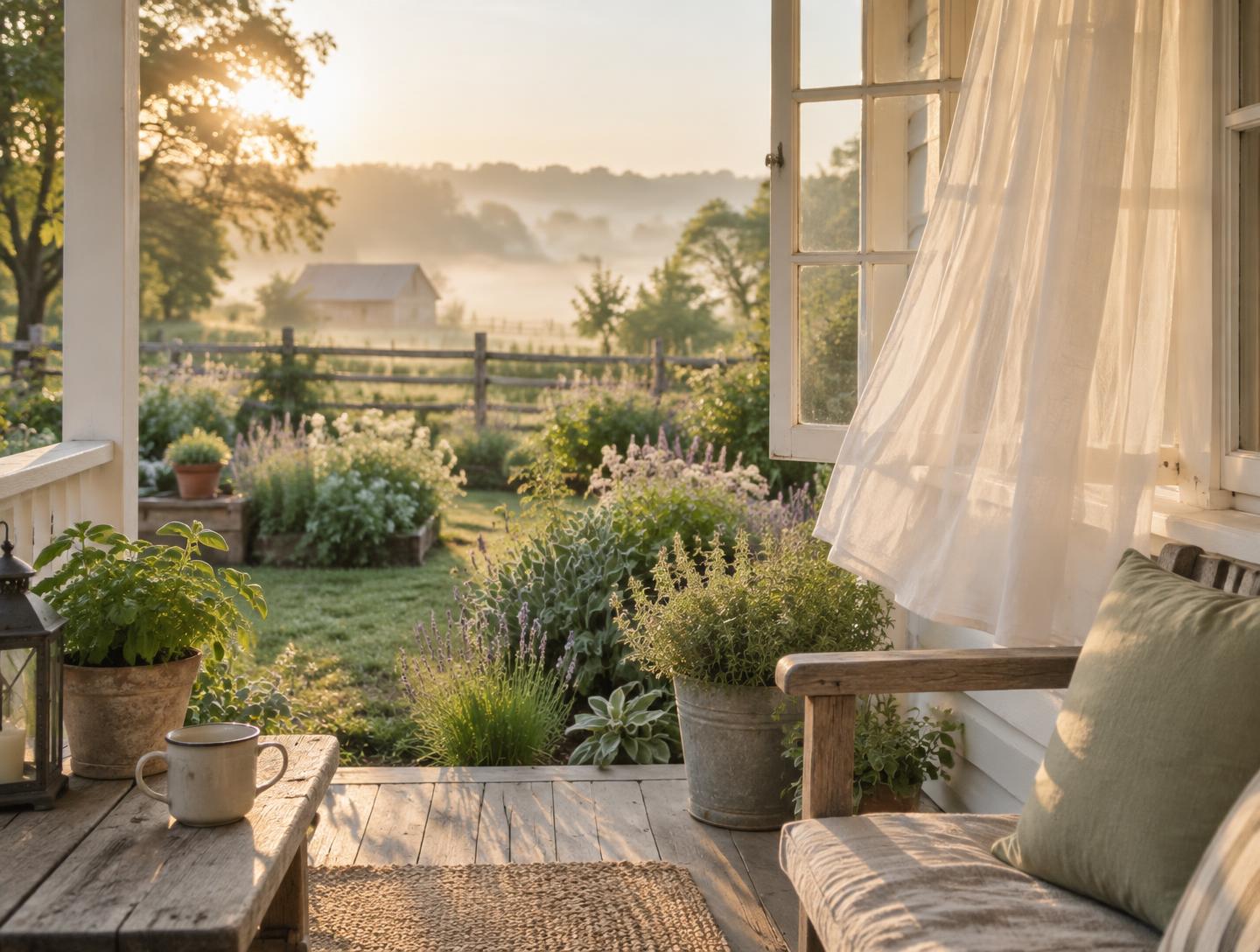
There's a moment I look forward to more than my first cup of coffee — the second the back door opens and cool morning air hits my face. Before the phone, before the laundry, before the day starts making its demands, I stand on the porch and simply breathe. In, slow. Out, slower.
It feels too small a thing to matter. But of all the remedies our grandparents trusted, pure air comes first. It is one of the eight laws of health — pure air, sunlight, temperance, rest, exercise, proper food, water, and trust in divine power — the simple agencies of nature our bodies were built to run on. Those words come from Ministry of Healing, a health book published in 1905, and they have not needed updating since. Air is listed first because nothing else we do happens more often. We take somewhere around twenty thousand breaths a day. We might as well make them good ones.
What changes when you really get outside
Your circulation wakes up. Out in the open you breathe deeper and more fully than you do hunched over a counter, and that fuller breath moves more oxygen into your blood. Add a walk — even a slow one down the garden rows — and your leg muscles begin squeezing blood back up toward your heart instead of letting it pool in your legs. That is why you come in from a morning outside feeling warm all over, your hands pink instead of pale.
Your airways clean house. This one is misunderstood. Your lungs don't need a special cleanse; they already have one. Every breath draws a fine layer of mucus over the airways, and tiny hairs called cilia sweep that mucus upward and out, carrying the dust and grit along with it. That system runs beautifully in clean air and sluggishly in dirty air — smoke, frying fumes, strong fragrances, dust, a closed-up room. Give your lungs fresh air and they will clean themselves. That is the whole trick of it.
Your energy and mood lift. Daylight, especially the bright morning kind, tells your body clock the day has begun and steadies the hormones that decide when you're alert and when you're sleepy. Outdoors that light reaches you unfiltered; through a window it loses much of its strength. And open space settles a busy mind in a way a screen never has. I feel the difference in my own house — a fussy, short-tempered morning that twenty minutes in the yard quietly fixes.
You rest better. A body that saw real daylight and moved through real air at noon sleeps more easily at night. Cool air on the face at bedtime helps too.
The air inside is the hard part
We spend most of our lives indoors with the windows shut, and the air we recycle is not the air we were made for. Cooking grease, candle smoke, aerosol cleaners, perfume, dust, pet dander, and mold spores all stay in a closed room right there with you. Even plain breathing raises carbon dioxide enough to make a stuffy room feel heavy and fog your thinking. Most of that doesn't need a fancy machine to fix — it needs a cross breeze. Ten minutes with two windows open on opposite sides of the house does more than a candle that promises to freshen the air.
A simple daily rhythm
- Step outside within an hour of waking and take ten slow breaths. No phone, no podcast. Just the air.
- Get fifteen minutes of daylight on your face and arms, ideally before noon.
- Do a chore in the yard instead of at a desk — snap beans, sort seed, hang laundry.
- Open two windows for ten minutes every morning, even in cool weather.
- Take the last ten minutes of the evening outdoors, before the lamps come on.
- Sleep with the window cracked if the weather allows it.
That is the whole prescription. No cost, no prep, nothing to order.
A few honest cautions
Fresh air is not a cure for anything, and it doesn't replace the care you get from a doctor. If you have asthma or another lung condition, cold dry air can tighten your airways — breathe through a light scarf, warm up gradually, and keep your rescue inhaler within reach. On high-pollen days, or when wildfire smoke hangs thick, staying inside with filtered air is the wiser choice. And if chest pain, dizziness, or real breathlessness shows up, that is a reason to be seen, not a reason to breathe harder.
Why I keep talking about it
Because it is free, and free things are the ones we overlook. We will spend good money chasing a feeling that a morning on the porch hands us for nothing. Pure air sits at the head of the eight laws for the same reason water is the first thing we reach for when someone in the house is sick — it is the most ordinary remedy there is, and the most forgotten.
Go stand outside for ten minutes today. Your body has been waiting on it.
Be blessed. Talk soon.

Leave a comment
Your email address will not be published. Required fields are marked *